Article Body
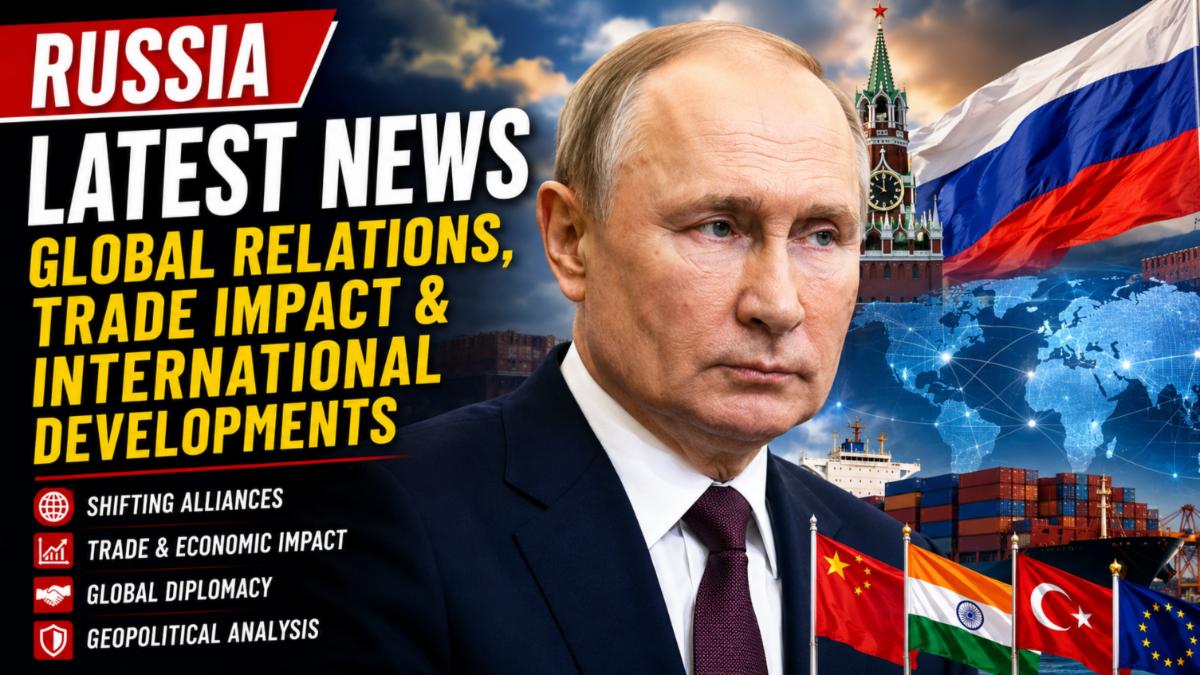
Russia continues to remain one of the most closely watched nations in global politics as international relations, economic strategies, and diplomatic discussions evolve rapidly in 2026. From energy exports and trade negotiations to geopolitical positioning and global alliances, Russia’s role in shaping worldwide developments remains highly significant.
In recent weeks, attention around Russia has intensified due to ongoing diplomatic engagements, shifting trade patterns, and discussions involving major global powers. Analysts believe these developments could influence international markets, energy supply chains, and strategic partnerships across multiple regions.
Governments, investors, and policy experts worldwide are carefully monitoring every major move emerging from Moscow as geopolitical tensions and economic priorities continue reshaping the international landscape.
Russia’s Global Influence Remains Strong
Despite growing international scrutiny in recent years, Russia continues holding major influence in sectors including energy, defense, natural resources, and regional diplomacy. Its position as one of the world’s largest exporters of oil, gas, and strategic commodities keeps the country deeply connected to global trade networks.
Several countries continue engaging with Russia through bilateral agreements, infrastructure projects, and commercial partnerships, particularly in energy and industrial sectors.
Experts suggest Russia’s ability to maintain strategic economic relationships has allowed it to preserve considerable global influence despite evolving international political challenges.
Trade Developments Affect International Markets
Global trade discussions involving Russia have become increasingly important for financial markets and supply chain planning. Changes in export routes, commodity pricing, and energy partnerships have already impacted businesses across Asia, Europe, and parts of the Middle East.
Economic analysts note that fluctuations involving Russian energy exports often influence global fuel prices and industrial production costs. Investors are therefore paying close attention to trade-related announcements and international negotiations connected to the country.
Shipping networks, agricultural exports, and industrial raw materials linked to Russia are also being closely monitored by multinational corporations and policymakers.
Diplomatic Activity Intensifies
Recent diplomatic engagements involving Russian officials have triggered widespread international debate. Several high-level discussions focused on economic cooperation, regional security, and future trade arrangements between major nations.
Political experts believe diplomacy will remain one of the key areas shaping Russia’s international positioning in the coming months.
Global leaders are increasingly emphasizing negotiation channels and strategic communication while balancing economic and geopolitical interests tied to Russia.
Energy Sector Continues Driving Attention
Russia’s energy sector remains central to many international discussions. Oil and gas exports continue influencing global supply chains, especially in regions heavily dependent on imported energy resources.
Any policy changes involving energy production, pricing, or international agreements can create ripple effects across financial markets worldwide.
Industry experts say energy diplomacy is likely to remain one of Russia’s strongest strategic tools in maintaining influence across global trade networks.
International Reactions Remain Divided
Countries around the world continue taking varied approaches toward Russia depending on economic interests, security priorities, and diplomatic relationships.
Some governments are focusing on strengthening dialogue and economic cooperation, while others remain cautious due to ongoing geopolitical tensions and international concerns.
This division has created a complex global environment where Russia continues playing a major role in shaping diplomatic conversations.
Economic Strategy Under Global Focus
Russia’s domestic economic planning is also receiving significant international attention. Market observers are studying how the country adapts to changing trade conditions, currency pressures, and evolving international partnerships.
Economic diversification, infrastructure investment, and industrial growth remain key areas discussed by analysts tracking Russia’s long-term strategy.
Financial institutions are particularly focused on how Russia balances domestic economic stability with broader geopolitical priorities.
Asia and Middle East Partnerships Expanding
One notable trend in recent years has been Russia’s increasing engagement with Asian and Middle Eastern nations. Trade cooperation, energy deals, and investment discussions have strengthened ties with several countries across these regions.
Analysts believe these expanding partnerships could reshape parts of the global economic order over time.
Regional cooperation projects involving logistics, technology, and energy infrastructure are also being discussed more actively.
Global Markets Watching Closely
Stock markets, commodity traders, and international investors continue reacting quickly to major developments involving Russia. News connected to sanctions, trade agreements, diplomatic talks, or energy exports often creates immediate movement across financial sectors.
This high level of sensitivity reflects Russia’s continuing importance in global economic systems.
Experts say international markets are likely to remain highly responsive to future developments involving the country.
Political Analysts Expect Continued Tensions
Geopolitical analysts believe global discussions involving Russia will likely remain intense throughout 2026. Strategic competition among major world powers, combined with shifting economic priorities, continues creating uncertainty in international affairs.
At the same time, diplomatic engagement and economic necessity are forcing many nations to maintain communication channels despite disagreements.
This balance between competition and cooperation may define much of the global political environment moving forward.
Final Thoughts
Russia’s role in international politics and global trade continues shaping major conversations across governments, financial institutions, and diplomatic circles worldwide.
As global relations evolve, developments connected to Russia are expected to influence everything from energy markets and industrial supply chains to regional alliances and international negotiations.
For now, the world remains closely focused on how Russia navigates its economic priorities, diplomatic strategies, and geopolitical challenges in an increasingly complex international environment.

Comments