Article Body
India’s Exam System Faces Its Biggest Trust Crisis Yet as NTA Comes Under Intense Scrutiny
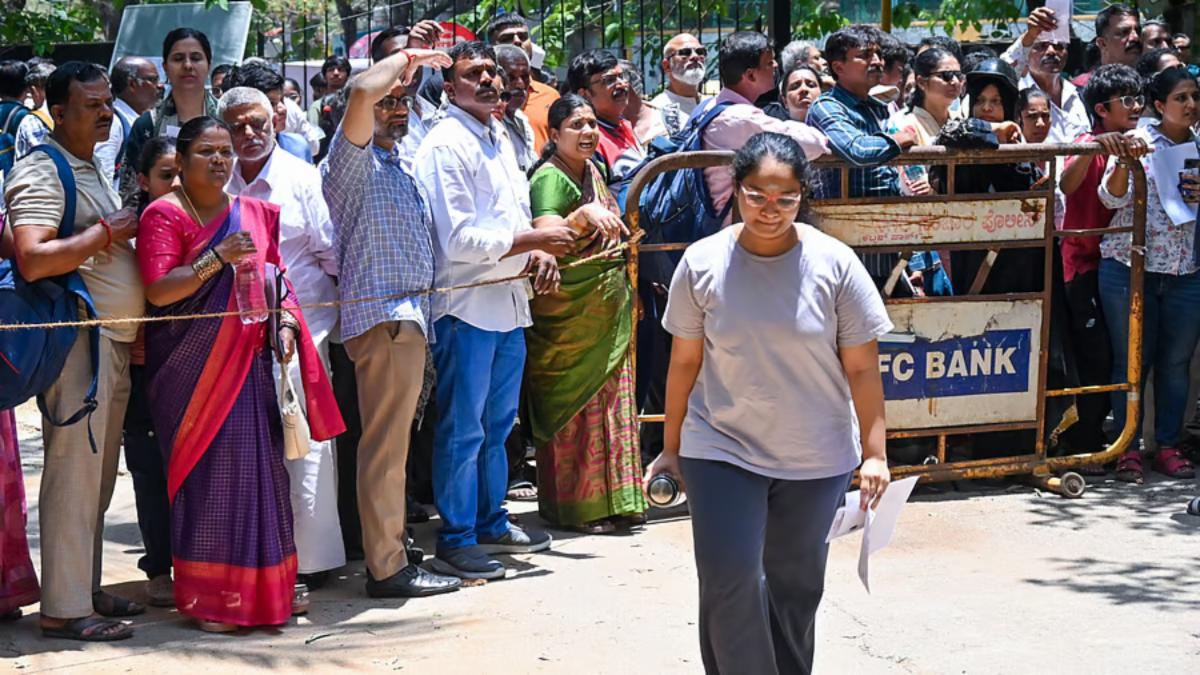
Image Credit : DH Photo/Pushkar V
Read more at: 👉
India’s already controversial examination ecosystem is once again under national scrutiny after the cancellation of NEET-UG 2026 triggered fresh outrage among students, parents, coaching institutes, and policymakers.
The crisis has now evolved beyond a single paper leak controversy. The larger debate increasingly centers on whether India’s highly centralized examination architecture led primarily by the National Testing Agency is capable of handling the enormous scale and pressure placed upon it.
A detailed investigation-based report published by Deccan Herald described the current situation as a growing “credibility crisis” for India’s national testing ecosystem.
NEET-UG 2026 Cancellation Changed the Conversation
The turning point came earlier this month when NEET-UG 2026 one of the world’s largest entrance examinations was officially cancelled following allegations of a paper leak linked to individuals connected to the examination system.
More than 22 lakh students had reportedly appeared for the examination across hundreds of centres nationwide before the cancellation decision shocked candidates and families.
Investigators reportedly discovered that portions of the question paper had circulated digitally before the exam was conducted, intensifying allegations of systemic compromise inside the examination pipeline itself.
For many students, the incident became more than just another exam controversy.
It became a collapse of trust.
NTA Under Growing Pressure
The National Testing Agency was originally established in 2017 to modernize India’s entrance examination process and create a more transparent, standardized testing structure for higher education admissions.
Over time, however, the agency has repeatedly faced criticism over:
- paper leak allegations
- technical glitches
- normalization disputes
- result irregularities
- exam centre issues
- transparency concerns
According to multiple reports and documented controversies, major examinations including:
- NEET
- JEE Main
- CUET
have all witnessed operational disputes in recent years.
Education policy experts now argue that the issue may no longer be isolated incidents but structural overload.
Can One Agency Handle India’s Massive Exam Ecosystem?
India conducts some of the world’s largest competitive examinations, with millions of students competing annually for limited seats in medicine, engineering, universities, and government-linked institutions.
The sheer scale creates extraordinary logistical pressure involving:
- question paper security
- printing networks
- transportation systems
- cybersecurity
- digital infrastructure
- biometric verification
- result processing
- legal compliance
According to analysis published by ThePrint, India’s examination system has faced recurring fraud and leak-related scandals for nearly two decades, with very limited long-term structural reform.
Critics argue that repeated reactive investigations are replacing proactive modernization.
Students Are Paying the Psychological Price
Perhaps the biggest cost of repeated exam controversies is the emotional and psychological impact on students.
Competitive exams like NEET and JEE often define years of preparation, financial sacrifice, coaching investment, and intense family expectations.
When cancellations or irregularities occur, students face:
- uncertainty
- anxiety
- delayed admissions
- financial losses
- mental health pressure
Social media platforms have been flooded with emotional reactions from aspirants questioning whether merit alone can still guarantee fairness inside the system.
Some students now openly describe India’s examination process as unpredictable and unstable.
Coaching Industry and Digital Leak Networks
Investigators and education analysts are also increasingly focusing on the role of organized digital leak networks.
Encrypted messaging apps, Telegram groups, paid circulation systems, and coaching-linked information pipelines have reportedly complicated examination security mechanisms significantly.
According to the Deccan Herald investigation, investigators believe portions of leaked NEET content circulated days before the examination.
Cybersecurity experts say traditional exam security systems are struggling to adapt to highly networked digital distribution channels.
Calls for Structural Reform Are Growing Louder
Education experts are now demanding broad reforms rather than temporary damage control measures.
Among the suggestions being debated:
- decentralizing examination systems
- increasing regional accountability
- stronger cybersecurity protocols
- encrypted question distribution
- AI-driven monitoring systems
- independent audit mechanisms
- stricter printing security
- faster legal prosecution for exam fraud
Some analysts have even questioned whether India should continue depending so heavily on single high-stakes examinations for admissions.
Government Faces Pressure to Restore Confidence
The Indian government has already faced criticism over recurring examination controversies during the past few years.
Following earlier controversies involving grace marks and paper leak allegations in NEET 2024, multiple court cases and nationwide protests had already damaged public trust in the system.
Now, the NEET-UG 2026 cancellation has revived demands for stronger accountability and administrative reform.
Political parties, student organizations, and education activists are all increasing pressure on authorities to ensure transparent corrective measures.
Centralized Exams vs Capacity Limits
At the core of the debate lies one difficult question:
Can a single centralized architecture realistically manage examinations involving tens of millions of candidates annually across a country as large and complex as India?
Supporters of centralized testing argue it:
- standardizes merit
- reduces regional disparities
- improves admission fairness
- simplifies university processes
But critics argue the current system has become:
- over-centralized
- vulnerable to single-point failure
- operationally overstretched
- highly sensitive to leaks and glitches
The debate is now rapidly moving beyond NEET itself.
India’s Education Credibility at Stake
India’s competitive examination system is not merely an administrative process.
For millions of students, it represents:
- opportunity
- mobility
- career access
- economic transformation
- social advancement
Repeated controversies risk damaging not just trust in one agency, but confidence in the broader education ecosystem itself.
As investigations continue and policymakers discuss reforms, students across the country are left asking whether India’s examination infrastructure can still guarantee the one thing it promises most:
fairness.

Comments